JG Pest Control are specialists in ant control. Our technicians are experienced, discreet, and friendly. Family-run since 2010, we specialise in cost-effective solutions with guaranteed results across homes and businesses.
Our technicians are qualified experts, able to classify not only the species infesting your property but also determine the right type of insecticide and bait to use. Home treatments may relieve the problem temporarily, but our services provide a permanent solution to your infestation.
Flying Ant Season
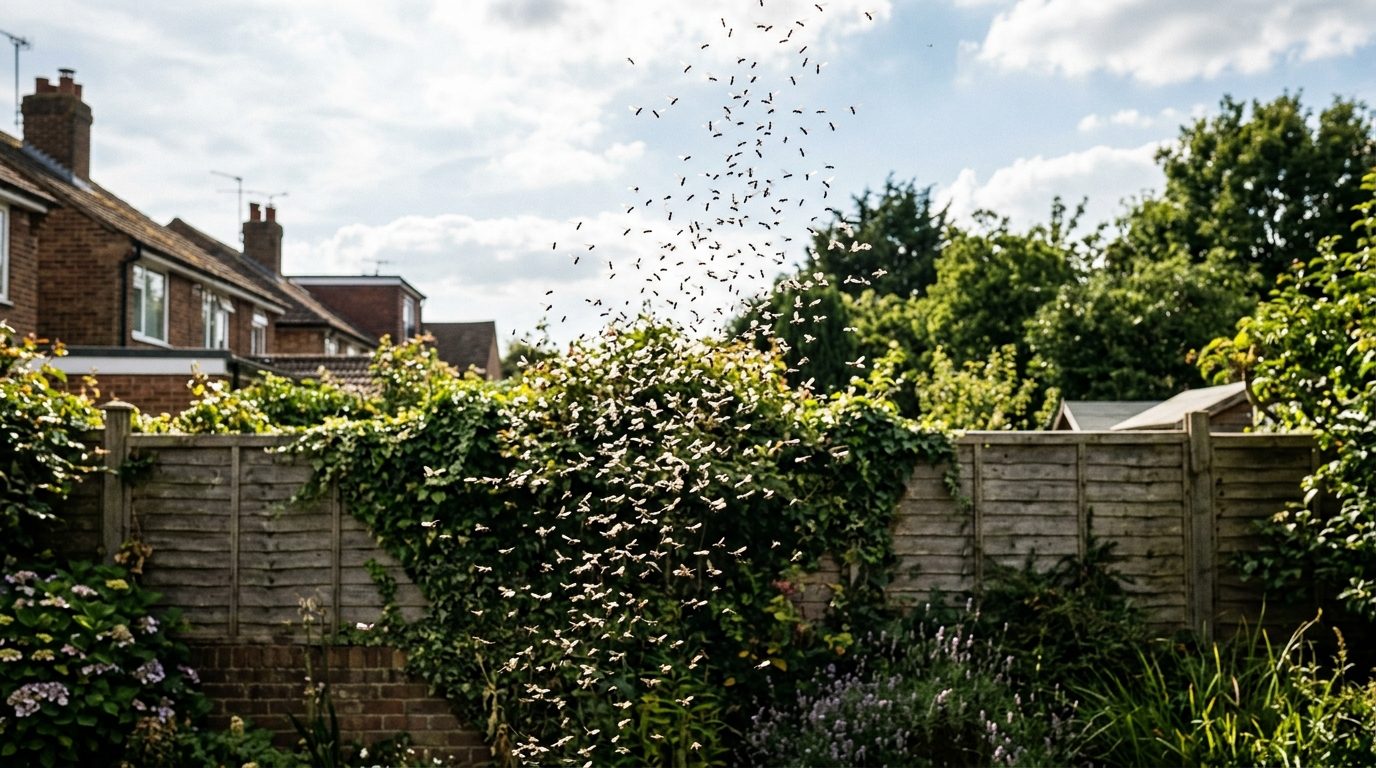
Every summer, mature colonies erupt in winged swarms - and a garden nest you tolerated all year suddenly fills window frames and kitchens. The swarm is the symptom; the colony is the problem.
Our treatments target the nest itself, not just the visible trail, which is why they work where supermarket powders fail.
Signs You Have an Ant Problem
Ant TrailsLines of ants following the same path between their nest and food sources in your home
Ants in the KitchenAnts appearing around food preparation areas, cupboards, bins, or pet bowls
Small Dirt MoundsTiny piles of fine soil near cracks in paving, walls, or foundations where ants have excavated nests
Flying AntsSwarms of winged ants emerging from nests, typically after thundery showers in summer during mating flights
Ants in Sealed ContainersAnts are adept at gaining entry to even sealed food containers and the trickiest of jars
Persistent ReturnAnts that keep coming back despite shop-bought treatments and home remedies
Garden and Black Ants
The most common species in UK infestations - Garden or Black Ant (Lasius niger)
Worker Garden ants are 4mm long and black or dark brown in colour
Workers are shorter and smaller than males or queens
Males and queens are the winged variety seen flying in summer
Pharaoh Ants
A tropical species originally from warmer climates, now established in UK buildings
Prefer to create nests in areas that provide warmth and moisture
Smaller than their Garden cousins with a yellow to red-brown body colour
Some species have multiple queens and can rebuild scattered colonies quickly
Why Correct Identification Matters
Different species have different colony and caste systems requiring different approaches
Home treatment before proper identification can scatter colonies and make the problem worse
Multiple queens in some species means amateur treatment can create multiple new colonies
Professional species identification is the first step to effective eradication
How Do I Get Rid of an Ant Infestation?
Ants come into your home looking for food and are attracted to the foodstuff we keep in our kitchens, particularly sweet and sticky substances. You should take measures to ensure your food containers are adequately sealed, and try to restrict the amount of food left in open packets in the cupboards.
Ensure you clean up spills and leakages quickly, and pay special attention to out-of-the-way areas such as under cookers or white goods appliances. Your pet's food is at as much risk of contamination as human food, so clear away their bowls as soon as possible.
Although ants do not necessarily carry diseases, they create a risk of contaminating your food. They walk across many surfaces before reaching your cupboard, and an infestation should be considered unhygienic. Some species of tropical ant are known to bite when aggravated.
Contact JG Pest Control for professional ant eradication. We use the most up-to-date chemicals and organic solutions on the market. The treatments we employ - spraying cracks and crevices and laying targeted bait - obtain the quickest results. Our ant eradication service is guaranteed.
Used to monitor number of Google Analytics server requests when using Google Tag Manager
1 minute
_gac_
Contains information related to marketing campaigns of the user. These are shared with Google AdWords / Google Ads when the Google Ads and Google Analytics accounts are linked together.
90 days
__utma
ID used to identify users and sessions
2 years after last activity
__utmt
Used to monitor number of Google Analytics server requests
10 minutes
__utmb
Used to distinguish new sessions and visits. This cookie is set when the GA.js javascript library is loaded and there is no existing __utmb cookie. The cookie is updated every time data is sent to the Google Analytics server.
30 minutes after last activity
__utmc
Used only with old Urchin versions of Google Analytics and not with GA.js. Was used to distinguish between new sessions and visits at the end of a session.
End of session (browser)
__utmz
Contains information about the traffic source or campaign that directed user to the website. The cookie is set when the GA.js javascript is loaded and updated when data is sent to the Google Anaytics server
6 months after last activity
__utmv
Contains custom information set by the web developer via the _setCustomVar method in Google Analytics. This cookie is updated every time new data is sent to the Google Analytics server.
2 years after last activity
__utmx
Used to determine whether a user is included in an A / B or Multivariate test.
18 months
_ga
ID used to identify users
2 years
_gali
Used by Google Analytics to determine which links on a page are being clicked
30 seconds
_ga_
ID used to identify users
2 years
_gid
ID used to identify users for 24 hours after last activity